Neon City
Year: 2022–2023Duration: 18 months
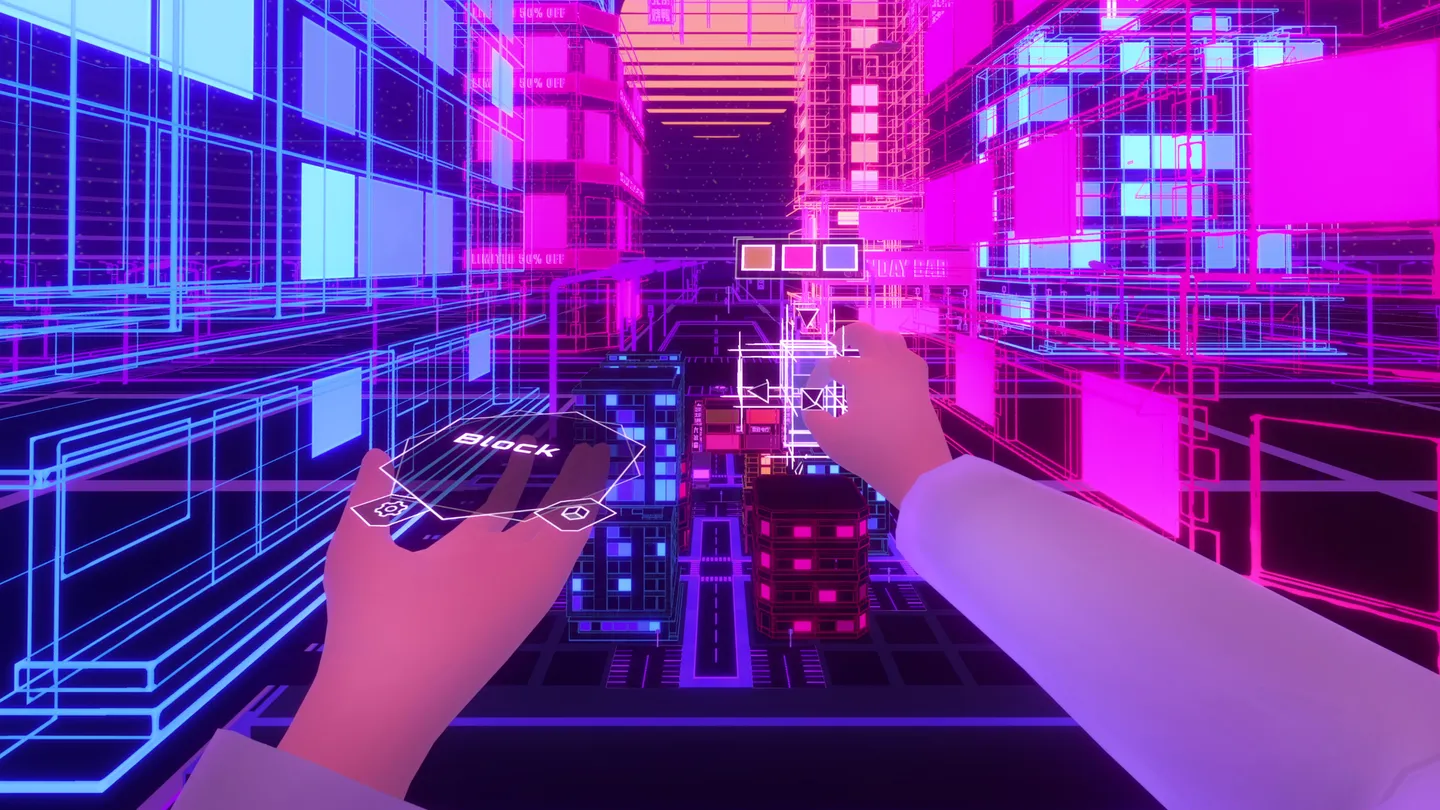
Neon City is a mixed reality city-building game that pairs the tactile charm of wooden block toys with hand-tracking technology, letting players construct their own vaporwave metropolis and explore it at 1:1 scale. Built by a 20+ person team over an 18-month production cycle, the game was sponsored by USC Games.
GAME TRAILER
What is Neon City?
Neon City is a mixed-reality sandbox game that lets you build a living city with your bare hands. Using intuitive hand gestures, you pinch, place, and manipulate virtual city blocks just like physical wooden toys. As the environment dynamically reacts to your spatial planning, you can plunge from a god-like tabletop view straight down to the 1:1 bustling street level, fully immersing yourself in the vaporwave metropolis of your own making.
The Creative Vision
I served as Creative Director on Neon City, leading a 30-person team through an 18-month production cycle as a flagship USC Games project.
My background in interior architecture made me curious about what spatial computing could do that other mediums can’t—specifically, the ability to step inside a design rather than just look at it. Wooden block toys gave the project its second reference point: the tactile feeling of arranging small objects by hand, and the satisfaction of designing a city from scratch. Neon City lets players architect a metropolis with their hands and immediately step inside their creation.
Experience Goal
Players feel curious, surprised, and amused as emergent situations unfold during construction, and feel a sense of admiration and fulfillment when they visit their city at 1:1 human scale.
Player Goal
Neon City is a sandbox building game, so the goal is the act of creation. Players arrange building blocks into a city of their own design, experiencing it at different scales, and revising layouts as the city responds to their decisions.
Developing the interactions with hand tracking
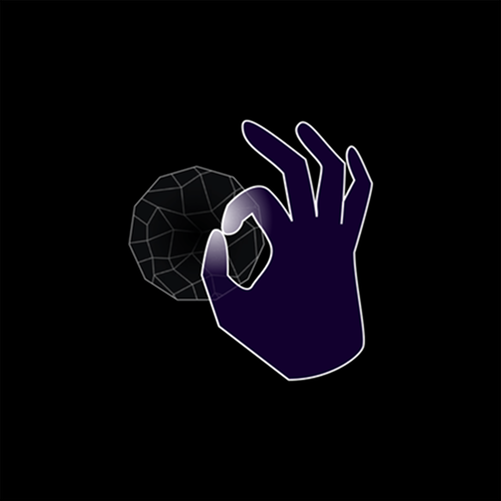
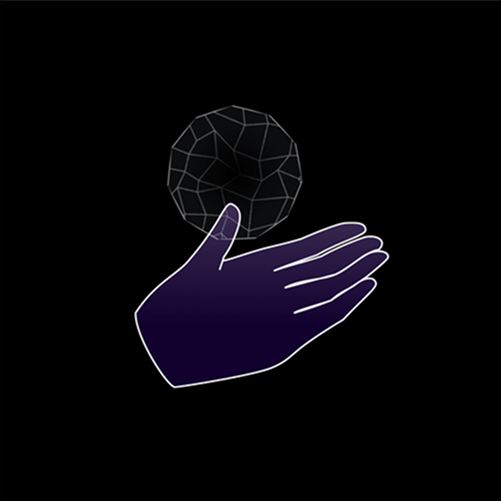
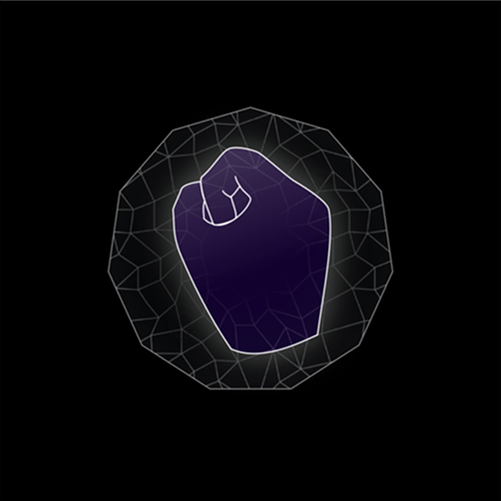
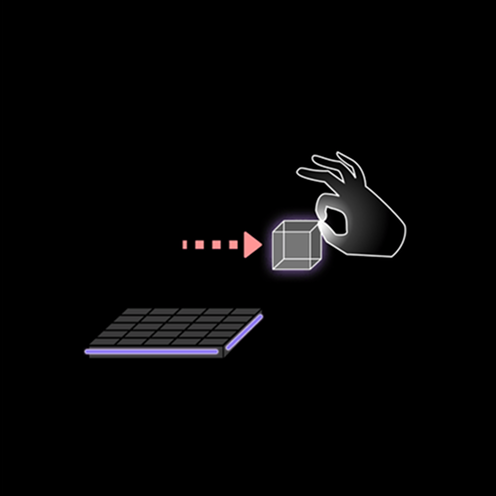
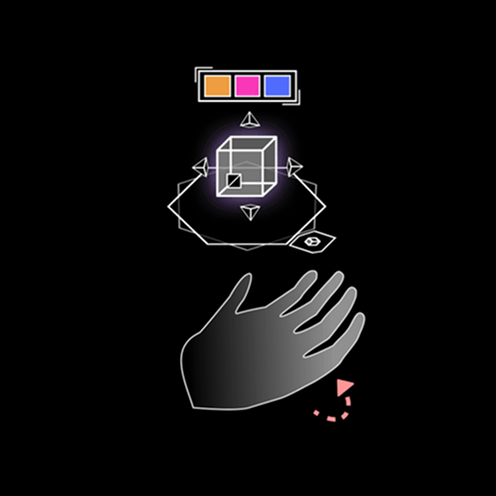
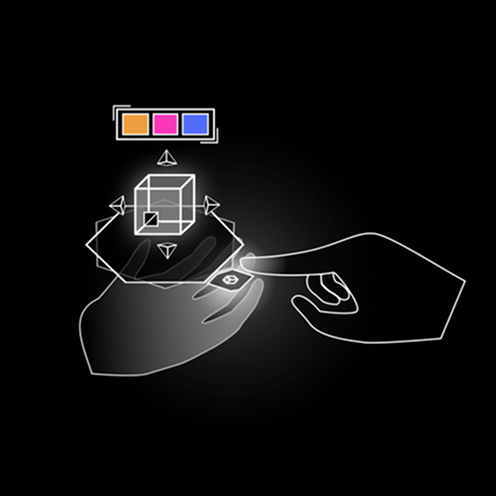
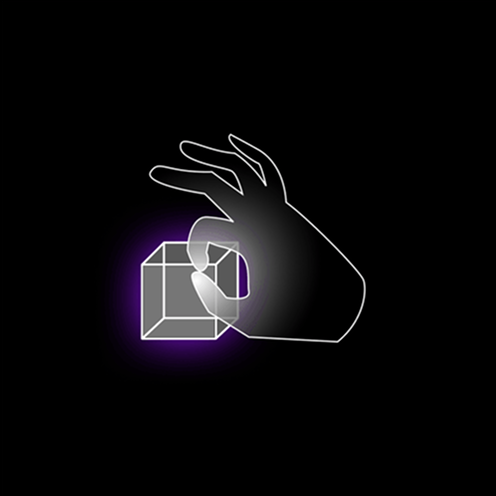
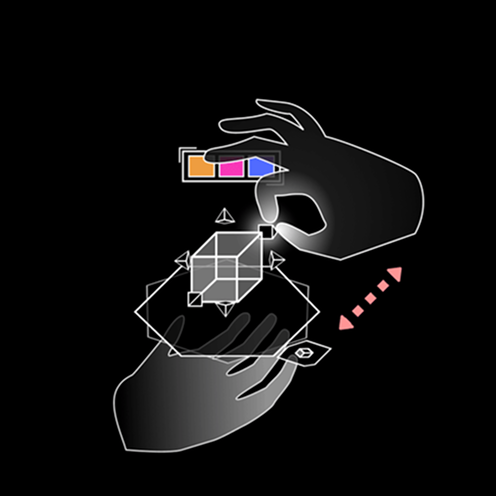
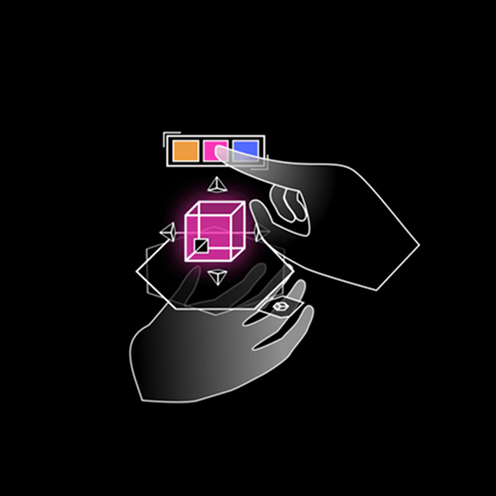
To ensure the building experience was as instinctual as possible, we opted out of traditional controllers in favor of advanced hand-tracking. By focusing on the pinch mechanic, we replicated the natural grip used for holding small objects. This provided surprising haptic feedback as users pressed their index fingers and thumbs together, successfully emulating the tactile physical sensation of playing with real wooden block toys.
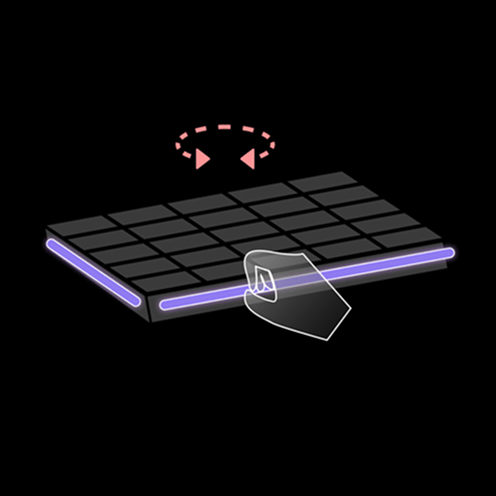
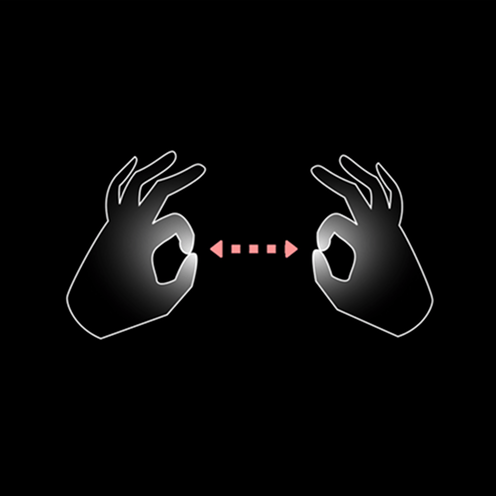
Our UX team focused heavily on creating a variety of different interaction prototypes with hand tracking. At the time, hand tracking was not prevelant yet, so we relied on iterations and user testing to develop and fine tune the mechanics.
At the time of development, hand tracking was still experimental in Meta headsets. While there were precedents in HoloLens and Magic Leap, we still had to navigate uncharted territory.

Exploring Scale
Drawing heavy inspiration from architectural phenomenology and Kevin Lynch's The Image of the City, we designed Neon City around the dramatic perception shifts that architectural scale provides. Different scales serve entirely different spatial and emotional purposes: a table scale gives an overview for strategic space planning, while a 1:1 street scale fosters an intimate, visceral connection to bustling city life.
We leveraged spatial computing's unique affordances to instantly switch and even overlay these perspectives, allowing players to transition from architects to inhabitants in real time.
Managing Production
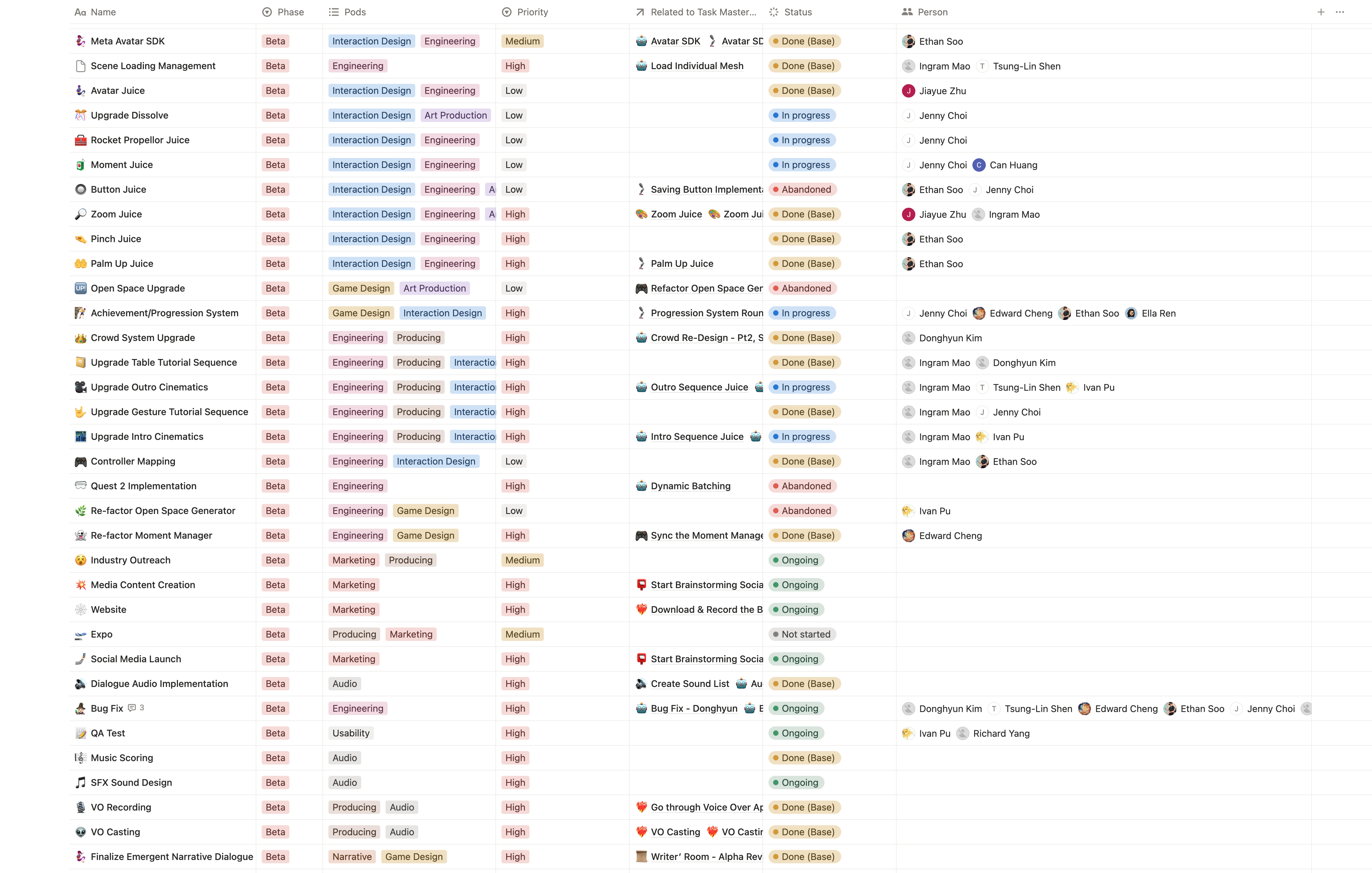
Leading a 30-person student team required rigorous organization, especially since every developer had a different class schedule and limited availability.
I structured our development around a rapid, weekly user-testing feedback loop. By generating multiple rapid prototypes each week, we continuously validated our design choices. I acted as the central hub, coordinating smoothly across the QA, Design, Engineering, and Art teams to ensure no discipline bottlenecked another and momentum stayed high.
Managing Technical Art Assets
Building a dense city requires a massive volume of 3D models, shaders, and animations, which naturally clashes with the strict performance limits of VR. To solve this, we strategically embraced a neon vaporwave and wireframe aesthetic—delivering maximum visual flair at a minimal rendering cost.
I directly managed this technical art pipeline, carefully scoping our massive asset list and optimizing shaders to ensure the art team hit our visual goals without sacrificing frame rates or our timeline.
In total, we shipped 12 building combos, each with 12 size variations, plus 9 specially designed landmarks—resulting in 153 building meshes.




















Impact
Meta Quest Store Release
Successfully published the demo on the Oculus (Meta Quest) Store, bringing the experience to the wider VR community.
Data-Driven Iteration
Conducted countless weekly user testing sessions throughout the development cycle, directly informing our interaction design and game mechanics.
Board of Trustees Showcase
Personally presented Neon City to the USC Board of Trustees in representation of the USC Games program.
Epic Games Partnership
Served as a key showcase piece during Tim Sweeney and the Epic Games team's visit to USC, playing a direct role in helping the school close a major partnership deal with Epic.
Specs
Tech Stack
Platform: Meta Quest
Engine: Unity Engine
Unity Stack: Universal Rendering Pipeline, Shader Graph
Language: C#
XR SDK: Meta XR SDK
XR Features: Hand Tracking, Passthrough
3D Modeling: Maya, Houdini
Production: Notion, Jira, Perforce
Design: Figma
Trailer & Marketing Assets: Photoshop, After Effects
Credits
Ingram Mao
Lloyd Campbell
Yige Xie
Alison Seidner
Olivia Siu
Jenny Choi
Markel Badallo
Cole Barrios
Katiana Sarkissian
Edward Cheng
Luxin Cao
Jiaqi Shu
Donghyun Kim
Katrina Xiao
Tsung-Lin Shen
Yiyang Chen
Ivan Pu
Michael Brown
Ethan Soo
Tianxi Ren
Yihan Luo
Can Huang
Rachel Jiang
Pablo Pueyo Poves
Jiayue Zhu
Yujia Shan
Yuheng Zhao
Yue Deng
Jesse Brindze
Richard Yang
Other Works
Website designed and coded by Ingram Mao